Clearing your acne is a huge relief — but for many people, the scars left behind are the harder battle. The good news is that acne scars can be significantly improved. The secret is matching the treatment to your scar type.
Know your scar type
- Boxcar scars: broad depressions with sharp edges.
- Ice-pick scars: narrow, deep pits.
- Rolling scars: wavy, tethered indentations.
- Dark marks (PIH): flat brown or red marks — technically pigmentation, not true scars.
Proven treatments
Because scar types differ, the best results come from combining techniques:
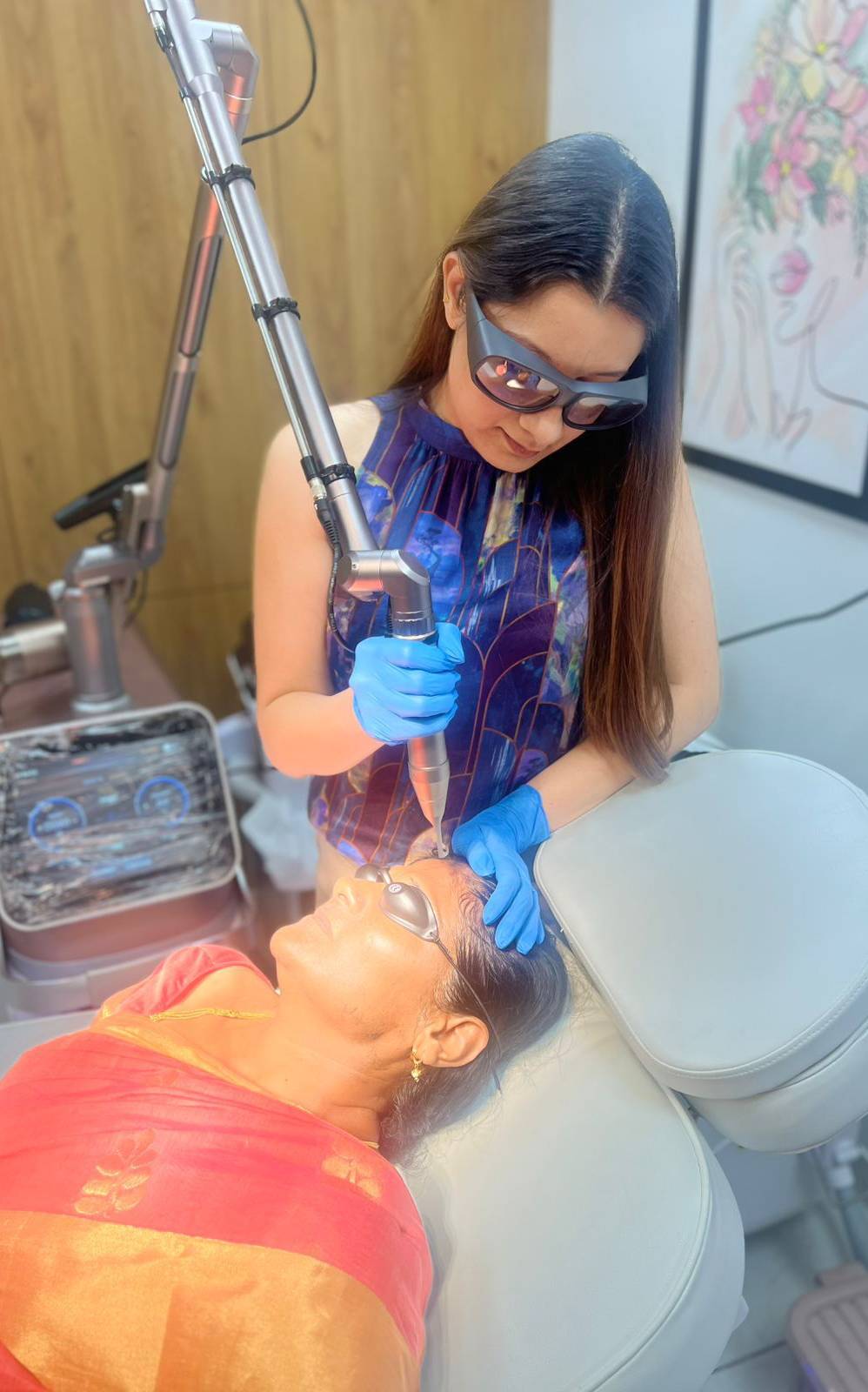
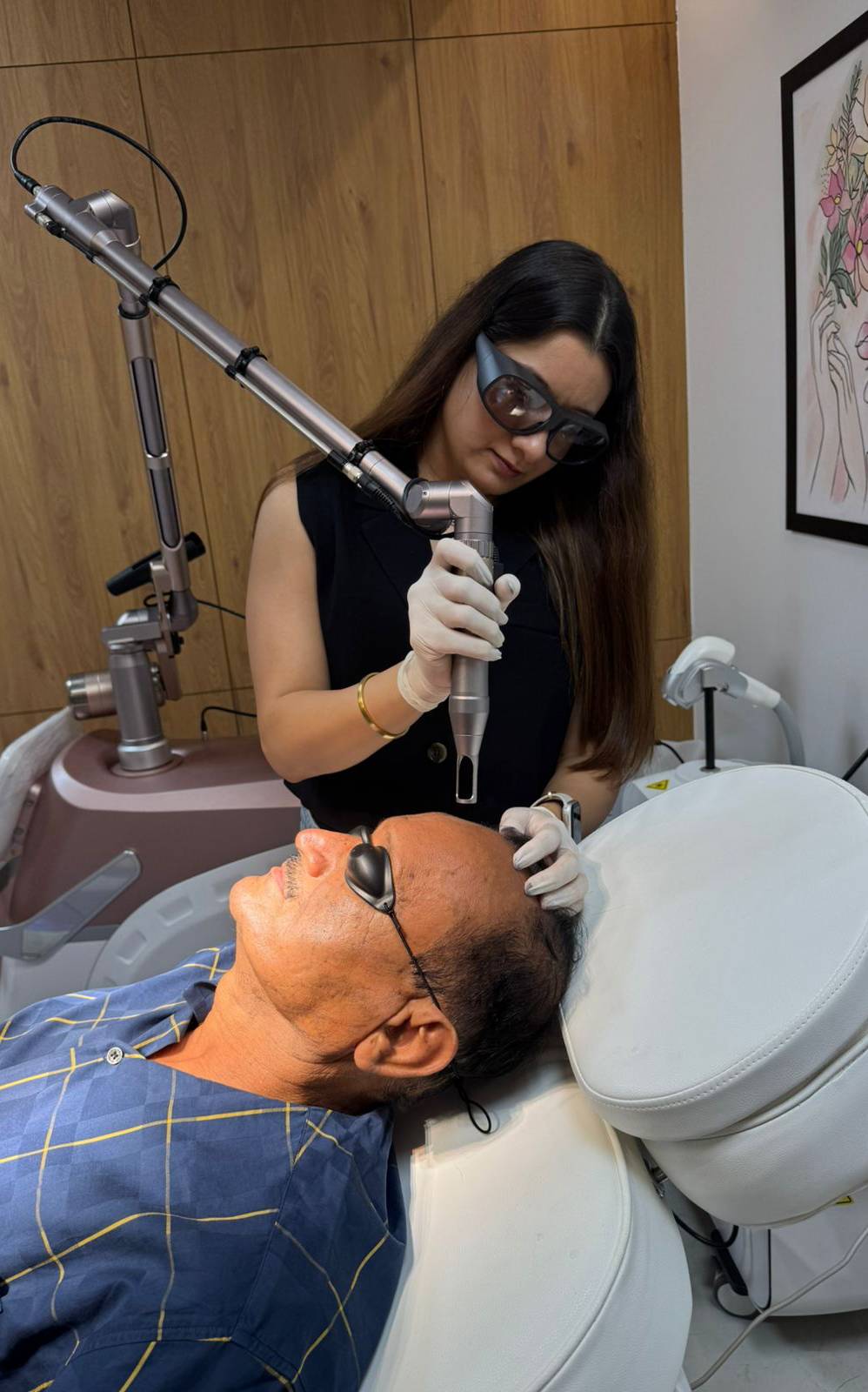
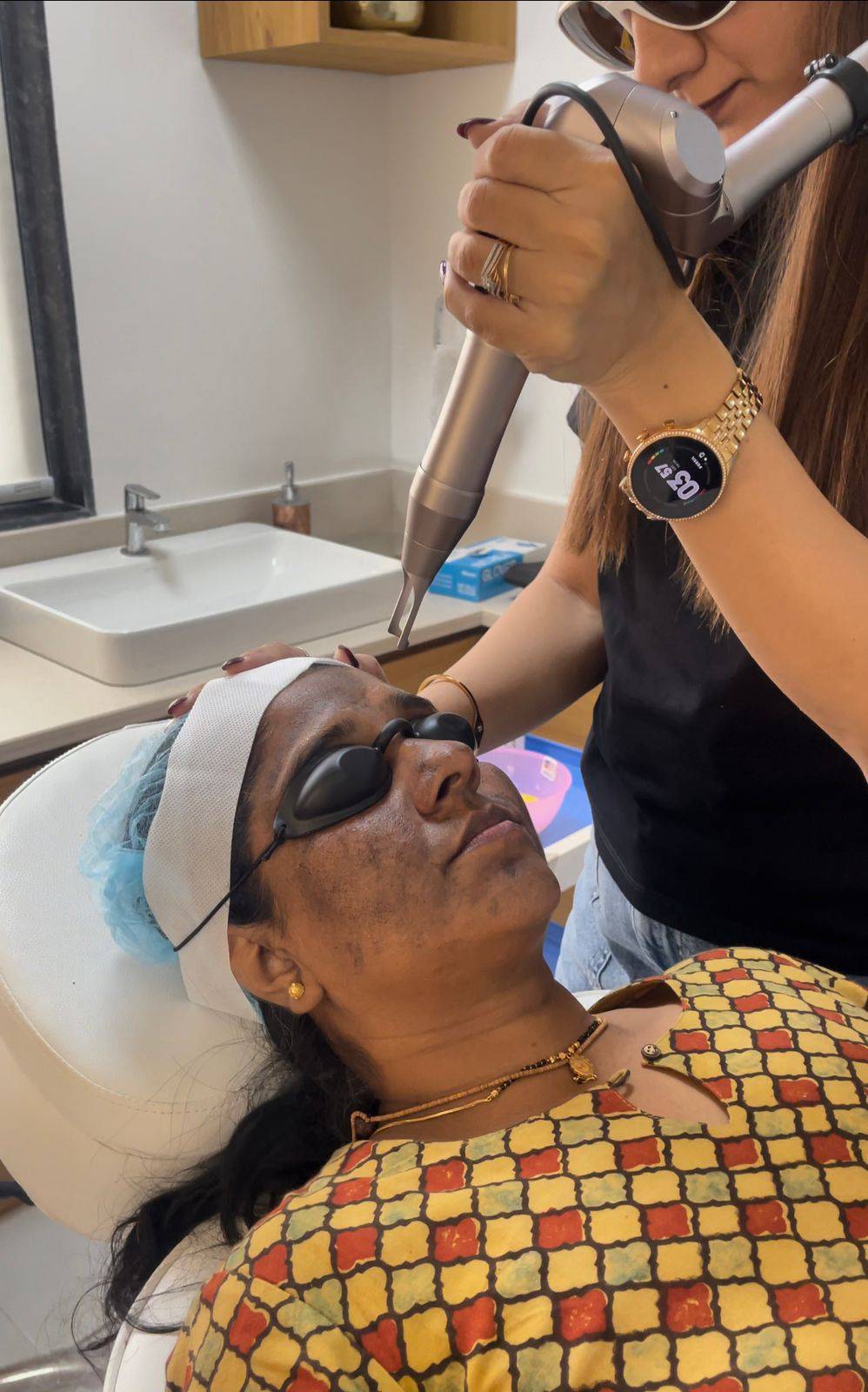
- CO2 fractional laser — resurfaces skin and stimulates new collagen to fill depressions.
- Microneedling (often with PRP) — triggers natural collagen renewal.
- Subcision — releases tethered rolling scars from beneath.
- Chemical peels — improve texture and fade dark marks.
What about the dark marks?
If your "scars" are actually flat brown marks, they are post-inflammatory pigmentation and often fade with brightening treatments and diligent sun protection, rather than resurfacing.
The earlier you treat active acne, the fewer scars you will have to treat later — prevention is always easier than repair.
Get a tailored scar plan
Since most people have a mix of scar types, a personalised assessment is the only way to build an effective plan. Book an acne-scar consultation at The Skin Canvas, Nashik.
Frequently Asked Questions
Most acne scars can be improved by 50–80%, though complete erasure is rarely possible. The goal is markedly smoother, more even skin.
Deep, pitted or rolling scars usually respond best to a combination — CO2 fractional laser, subcision and microneedling with PRP — rather than any single treatment.

Laser & Aesthetic Physician at The Skin Canvas, Nashik. Specialist in skin, hair and laser treatments with an International Fellowship in Medical Cosmetology.